
Get Care
Abdominal Pain
What is Abdominal Pain?
Abdominal pain can present as either acute, with a sudden and intense onset, or chronic, lasting for weeks or even months. The pain may differ in quality, ranging from sharp and stabbing to dull or cramping sensations. It can be confined to a specific area of the abdomen or spread more generally across it. Accurately assessing the pain’s type, location, and duration is essential for identifying its cause and deciding on the best treatment approach.
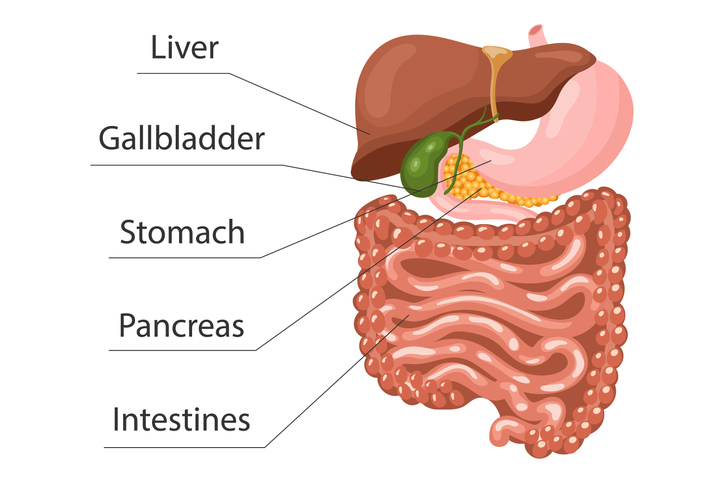
What are the causes of Abdominal Pain?
Abdominal pain can stem from a wide range of underlying causes—some benign and self-limiting, while others require urgent medical or surgical intervention. Major causes include:
- Bloating and abdominal distension: Often linked to indigestion, gas, or bowel obstruction.
- Cramping or colicky pain: Common in intestinal obstruction, kidney stones, or IBS.
- Nausea and vomiting: May result from gastritis, pancreatitis, or gastroenteritis.
- Diarrhea or constipation: Suggests infections, IBS, or bowel obstruction.
- Loss of appetite: Seen in infections, ulcers, or cancers.
- Fever or chills: Usually indicates infection or inflammation like appendicitis or PID.
- Burning sensation in the upper abdomen: Typical of gastritis or acid reflux (GERD).
- Pain radiating to the back, shoulder, or groin: Could suggest gallbladder disease, pancreatitis, or kidney stones.
Visible swelling or tenderness: May point to hernias, abscesses, or localized infections. - Blood in stool or vomitus: Seen in ulcers, IBD, or gastrointestinal bleeding.
- Jaundice (yellowing of eyes/skin): Indicates liver or gallbladder issues like hepatitis or bile duct obstruction.
What are the risk factors for Abdominal Pain?
Certain lifestyle and medical factors can increase susceptibility to abdominal pain, including:
- Irregular eating habits and poor diet (low fiber, high fat)
- Smoking and excessive alcohol consumption
- Chronic constipation or diarrheal diseases
- History of gallstones or peptic ulcers
- Obesity
- Sedentary lifestyle
- Chronic use of medications such as NSAIDs, antibiotics, or steroids
- Stress, anxiety, and psychological disturbances
What are the complications of Untreated Abdominal Pain?
Ignoring or delaying the treatment of abdominal pain can result in serious complications, such as:
- Peritonitis: Life-threatening infection of the abdominal lining from a ruptured appendix or perforated ulcer.
- Intestinal perforation or ischemia: Tissue death due to lack of blood supply.
- Sepsis: Widespread infection spreading from abdominal organs.
- Bowel obstruction and necrosis
- Progression of cancer
- Malnutrition and dehydration
- Chronic digestive disorders
Early detection and treatment are essential to avoid irreversible damage and to improve outcomes.
How is Abdominal Pain Diagnosed?
A detailed evaluation by a gastrointestinal specialist involves:
(1) History and Physical Examination
- This is the first and most important step. The doctor gathers detailed information about the nature of the pain—its location, intensity, timing, triggers, and any factors that relieve or worsen it.
- They also check for associated symptoms like fever, vomiting, changes in bowel habits, or weight loss.
- A physical exam helps detect signs such as tenderness, swelling, or organ enlargement.
(2) Blood Tests
- Bloodwork helps identify infections, inflammation, and organ function problems.
- White blood cell count: Elevated in infections or inflammation.
- Liver function tests (LFTs): Help detect liver or gallbladder issues.
- Amylase and lipase: Raised in pancreatitis.
- CRP/ESR: General markers of inflammation.
(3) Abdominal Ultrasound
Useful for detecting gallstones, liver disorders, abscesses, and fluid collections.
(4) CT Scan or MRI Abdomen
Provides cross-sectional images to assess organ structure, tumors, and obstructions.
(5) Endoscopy and Colonoscopy
These procedures allow direct visual inspection of the GI tract.
- Endoscopy looks at the esophagus, stomach, and upper small intestine.
- Colonoscopy checks the colon and rectum.
Doctors can also take biopsies if abnormalities are seen.
(6) Stool and Urine Analysis
To check for infection, blood, or other abnormalities.
The diagnostic approach is tailored to the individual based on symptom severity, age, and medical history.
Treatment Options for Abdominal Pain
(1) Lifestyle and Dietary Modifications
These are the first-line steps for managing many non-emergency causes of abdominal pain, especially functional disorders like gastritis, IBS, or acid reflux.
- Smaller, frequent meals help reduce stomach acid spikes and bloating.
- Avoiding fatty, spicy, or trigger foods (like caffeine, alcohol, or citrus) can minimize irritation to the stomach lining or gallbladder.
- High fiber and adequate water intake support healthy digestion and prevent constipation.
Regular exercise improves gut motility and overall digestive health. - Stress management using techniques like yoga, meditation, or therapy can help with conditions worsened by stress, such as IBS or acid reflux.
(2) Medications
Medicines are prescribed based on the specific diagnosis and symptom severity:
- Antacids, H2 blockers, and PPIs (proton pump inhibitors): Reduce stomach acid and are used for gastritis, GERD, or peptic ulcers.
- Antibiotics: Treat bacterial infections like H. pylori (ulcers), UTIs, or pelvic inflammatory disease.
- Laxatives or stool softeners: Used to relieve constipation.
- Antispasmodics: Help relieve cramping and spasms in IBS or intestinal colic.
- Anti-inflammatory medications: Used for IBD (like Crohn’s or ulcerative colitis).
(3) Surgical Management
Surgery becomes necessary when pain is caused by a condition that cannot be treated conservatively:
- Appendectomy: Removal of the appendix in cases of appendicitis.
- Cholecystectomy: Surgical removal of the gallbladder, often due to gallstones or chronic inflammation.
- Bowel resection: Removal of a diseased or obstructed section of the intestines, often for cancer, diverticulitis, or blockage.
- Abscess drainage: Removal of pus collections to relieve infection and pain.
(4) Targeted Therapy
These are specialized treatments aimed at chronic or serious conditions:
- Cancer treatments (chemotherapy, radiation, or surgery): For abdominal malignancies like stomach, colon, or liver cancer.
- Nutritional support: Essential for patients with chronic digestive diseases that affect nutrient absorption.
Enzyme therapy: For individuals with pancreatic insufficiency or chronic pancreatitis, to aid digestion and reduce symptoms.
Why Choose Us?
Dr Premchandani’s expertise in gastrointestinal surgery, combined with his compassionate care, ensures you receive the best treatment. His dedication to patient well-being and use of advanced surgical techniques make him a trusted choice for those experiencing abdominal pain.
Contact Us
If you are experiencing abdominal pain, don’t delay seeking professional care. Contact us today to schedule a consultation with Dr Dhiraj Premchandani and begin your journey towards relief and better health.

Why Choose Us?
Contact Us