Get Care
Gastric Outlet Obstruction
What is Gastric Outlet Obstruction?
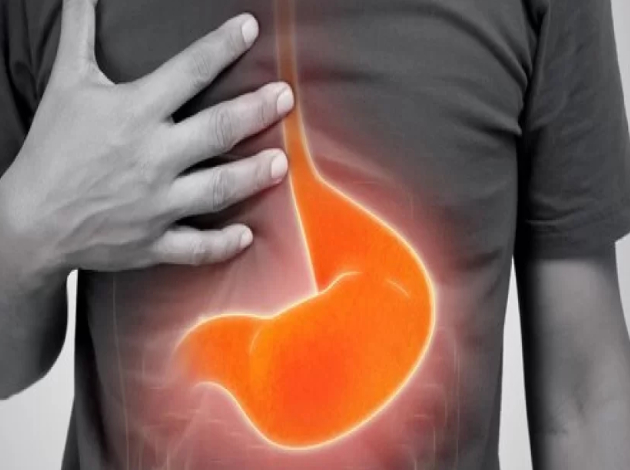
Gastric outlet obstruction (GOO) is a condition in which the normal passage of food and liquids from the stomach into the small intestine is blocked. The obstruction typically occurs in the pyloric region of the stomach, which is the area that connects the stomach to the duodenum (the first part of the small intestine). This condition leads to a build-up of food, fluids, and gases within the stomach, causing discomfort and potentially severe complications.
What are the Causes of Gastric Outlet Obstruction?
There are several potential causes of gastric outlet obstruction, which can be classified into mechanical (structural) and non-mechanical (functional) causes.
(1) Mechanical Causes:
- Peptic Ulcers: Chronic ulcers in the stomach or duodenum can lead to scarring and narrowing of the pyloric opening, resulting in partial or complete obstruction.
- Gastric Cancer: Tumors in the stomach, particularly those near the pylorus, can obstruct the outflow of gastric contents into the duodenum.
- Benign Tumors: Non-cancerous growths, such as polyps or fibroids, can cause a physical blockage of the stomach outlet.
- Pyloric Stenosis: This condition involves the thickening of the pyloric muscle, which can narrow the opening and prevent the passage of food into the small intestine.
- Post-surgical Scarring: Previous abdominal surgery, such as gastric surgery or gastric bypass, can cause adhesions or scarring that obstruct the outlet.
(2) Non-mechanical Causes:
- Gastroparesis: A condition in which the stomach muscles fail to function properly, leading to delayed gastric emptying. This is often due to nerve damage, such as in diabetes.
- Chronic Inflammation: Inflammatory conditions such as gastritis or pancreatitis can lead to functional obstruction by affecting the motility of the stomach.
- Neurological Disorders: Conditions affecting the nervous system, such as Parkinson’s disease or stroke, can impact the muscles responsible for gastric emptying, resulting in delayed passage of food.
What are the Signs and Symptoms of Gastric Outlet Obstruction?
The symptoms of gastric outlet obstruction are typically related to the accumulation of food and fluids in the stomach, as well as impaired gastric emptying. These may include:
- Vomiting – Often projectile and may contain food or liquid from previous meals. Vomiting may become more frequent as the obstruction worsens.
- Nausea – A feeling of being sick or discomfort in the stomach that often accompanies vomiting.
- Abdominal Distension – Bloating or swelling of the stomach due to the build-up of food and gas.
- Early Satiety – Feeling full after eating only a small amount of food.
- Pain or Discomfort – A vague sense of discomfort or fullness in the upper abdomen, which may worsen after eating.
- Weight Loss – Due to difficulty eating and the inability to absorb nutrients properly.
- Dehydration – Due to vomiting, fluid loss, and inability to keep food down.
- Acid Reflux – Recurrent heartburn or regurgitation may occur if food is not able to pass from the stomach to the intestines.
- Loss of Appetite – The inability to eat properly due to the discomfort or fullness.
In severe cases, if the obstruction leads to the rupture of the stomach or damage to the surrounding tissues, additional symptoms such as severe abdominal pain, fever, and signs of sepsis may occur.
What are the Risk Factors for Gastric Outlet Obstruction?
Certain factors can increase the risk of developing gastric outlet obstruction, including:
- Peptic Ulcers – People with a history of peptic ulcers, especially those that have not healed properly, are at greater risk of developing GOO.
- Gastric Cancer – Those with a family history of gastric cancer or those who have certain genetic predispositions may be at higher risk.
- Chronic Alcohol Use – Long-term alcohol consumption can contribute to the development of ulcers and other gastric conditions that may lead to obstruction.
- Previous Abdominal Surgery – Scarring from prior surgeries can cause adhesions or structural changes that contribute to GOO.
- Chronic Inflammatory Conditions – Conditions such as Crohn’s disease, gastritis, or pancreatitis can predispose individuals to gastric motility problems and obstruction.
- Neurological Disorders – Certain neurological conditions, such as Parkinson’s disease or diabetes, can impair gastric motility, increasing the risk of GOO.
What are the Complications of Gastric Outlet Obstruction?
If left untreated, gastric outlet obstruction can result in serious complications, including:
- Dehydration and Electrolyte Imbalance – Vomiting and inability to retain fluids can lead to dehydration, as well as imbalances in electrolytes like sodium and potassium.
- Malnutrition – Difficulty eating and absorbing nutrients may lead to weight loss and malnutrition over time.
- Perforation of the Stomach – Severe, untreated obstruction can cause the stomach to rupture, releasing contents into the abdominal cavity and leading to peritonitis (inflammation of the lining of the abdomen).
- Sepsis – Infection that spreads throughout the body, often resulting from perforation or bowel necrosis.
- Bile Reflux – Bile from the small intestine can flow back into the stomach, leading to irritation of the stomach lining, chronic gastritis, or further complications.
Diagnosis of Gastric Outlet Obstruction
To diagnose gastric outlet obstruction, your doctor may use a combination of clinical examination and diagnostic tests:
(1) Physical Examination
The diagnostic process begins with a thorough physical examination. Clinicians assess for signs that may suggest delayed gastric emptying, including abdominal distension and visible peristaltic waves. Percussion and palpation help detect any underlying mass or ascites suggestive of malignancy or chronic inflammation.
(2) Endoscopy (Esophagogastroduodenoscopy – EGD)
Upper gastrointestinal endoscopy is the gold standard for direct visualization of the gastric outlet and duodenum. The procedure allows identification of mechanical causes such as tumors, peptic strictures, foreign bodies, or inflammatory swelling. Biopsies can be obtained for histopathological analysis if a malignancy is suspected.
(3) X-ray of the Abdomen
A plain abdominal radiograph may show a markedly dilated stomach with air-fluid levels, and absence of gas in the distal bowel. It is especially useful in the acute setting to detect complications like perforation or severe distension.
(4) CT Scan (Computed Tomography)
A contrast-enhanced CT scan of the abdomen provides a comprehensive anatomical view, identifying extrinsic compression, neoplasms, inflammatory masses, or thickening of the pyloric or duodenal walls. It also evaluates adjacent organs and lymph nodes, offering critical information for staging if malignancy is found.
(5) Barium Meal / Barium Swallow Study
This fluoroscopic contrast study is used to assess the passage of contrast through the stomach into the duodenum. Delayed gastric emptying, retained barium in the stomach after several hours, or a “string sign” indicating a narrowed pyloric channel are characteristic findings.
(6) Laboratory Investigations
Blood tests support the diagnosis by evaluating metabolic derangements secondary to obstruction:
- Electrolyte abnormalities (e.g., hypochloremic, hypokalemic metabolic alkalosis) due to vomiting and fluid loss.
- Complete blood count to assess for anemia or infection.
- Liver function tests and tumor markers (e.g., CEA, CA 19-9) if malignancy is a differential consideration.
Treatment of Gastric Outlet Obstruction
The treatment of gastric outlet obstruction depends on the underlying cause and the severity of the obstruction. In many cases, a combination of conservative and surgical approaches may be required:
(1) Conservative Treatment:
- Nasogastric Tube (NG Tube) – An NG tube may be inserted to drain fluid and air from the stomach, helping to relieve pressure and reduce vomiting.
- Intravenous (IV) Fluids – To address dehydration and maintain electrolyte balance.
- Medications – Depending on the cause of the obstruction, medications may include acid-reducing agents (proton pump inhibitors or H2 blockers) for peptic ulcers or anti-inflammatory drugs for underlying inflammatory conditions.
(2) Surgical Treatment:
- Endoscopic Balloon Dilation – A non-surgical option for certain cases of pyloric stenosis, where a balloon is inflated to widen the narrowed opening of the stomach.
- Surgery – In cases of cancer, severe peptic ulcers, or anatomical obstructions, surgery may be required. This could involve removing the tumor, ulcer, or scar tissue, or creating a bypass for the blocked section of the stomach.
(3) Dietary and Lifestyle Changes:
- Small, Frequent Meals – Eating smaller meals more frequently can help the stomach empty more effectively.
- Avoiding Trigger Foods – Foods that are spicy, fatty, or hard to digest should be avoided.
- Elevating the Head of the Bed – Sleeping with the head elevated may help reduce discomfort caused by reflux.
Lifestyle and Supportive Measures
- Balanced Diet – Maintain a diet rich in vitamins, minerals, and proteins to prevent malnutrition and aid recovery.
- Monitor for Complications – Keep an eye on symptoms like severe abdominal pain or signs of infection and seek immediate medical attention if these occur.
- Regular Follow-ups – Regular follow-up visits to a gastroenterologist can help manage and monitor the condition, especially if surgical interventions were involved.
If you experience persistent symptoms such as vomiting, bloating, or discomfort after eating, consult with a gastroenterologist to determine the cause and appropriate treatment. Early diagnosis and intervention can help prevent complications and improve the prognosis.
Why Choose Us?
Contact Us