
Get Care
CA Stomach (Stomach Cancer)
What is Stomach Cancer (CA Stomach)?
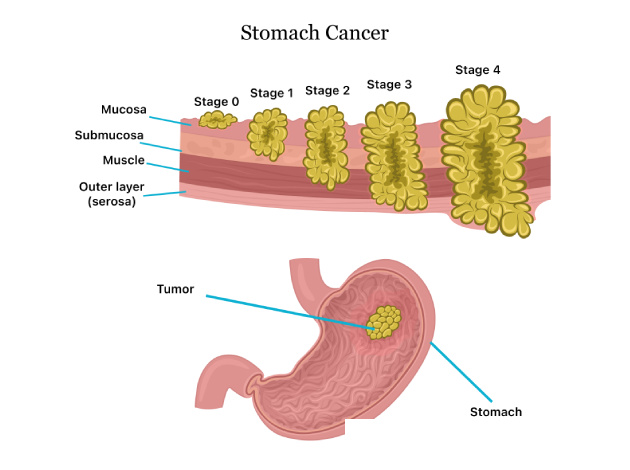
Stomach cancer, also known as gastric cancer, is a type of cancer that originates in the lining of the stomach. It occurs when abnormal cells in the stomach begin to grow uncontrollably, forming a tumor. Stomach cancer is often diagnosed in the later stages because early symptoms are typically vague and can resemble other common gastrointestinal disorders. The cancer can affect any part of the stomach and may spread to nearby organs such as the liver, pancreas, and intestines, as well as distant parts of the body through the lymphatic system and blood vessels.
What Causes Stomach Cancer?
While the exact cause of stomach cancer remains unclear, several risk factors have been identified that increase the likelihood of developing this condition:
- Helicobacter pylori Infection: Chronic infection with H. pylori, a bacteria that infects the stomach lining, is a major risk factor for stomach cancer. It can lead to inflammation and changes in the stomach lining that increase the risk of cancer.
- Dietary Factors: A diet high in smoked, salted, or pickled foods, as well as a low intake of fruits and vegetables, has been linked to an increased risk of stomach cancer. These foods may contain carcinogens or substances that promote inflammation in the stomach.
- Genetics and Family History: A family history of stomach cancer or certain inherited genetic conditions, such as hereditary diffuse gastric cancer, increases the risk of developing the disease.
- Age and Gender: Stomach cancer is more common in people over the age of 50, and men are more likely to develop the disease than women.
- Previous Stomach Surgery: Individuals who have had part of their stomach removed due to ulcers or other conditions may have a higher risk of stomach cancer.
- Smoking: Smoking tobacco increases the risk of stomach cancer, particularly for cancers in the upper portion of the stomach.
- Chronic Gastritis or Stomach Polyps: Chronic inflammation of the stomach lining or the presence of certain types of stomach polyps can increase the risk of cancer.
What are the Symptoms of Stomach Cancer?
The symptoms of stomach cancer often develop slowly and may be mistaken for other common stomach conditions such as ulcers or indigestion. As a result, stomach cancer is frequently diagnosed at a later stage. Early symptoms include:
- Indigestion (Dyspepsia): A feeling of fullness, bloating, or discomfort after eating.
- Abdominal Pain or Discomfort: A dull pain in the upper abdomen, especially after eating.
- Nausea and Vomiting: Unexplained nausea, which may sometimes be accompanied by vomiting, especially after eating.
- Loss of Appetite: A significant reduction in appetite, often accompanied by unintended weight loss.
- Difficulty Swallowing: In cases where the cancer affects the part of the stomach near the esophagus, patients may experience trouble swallowing.
- Blood in Vomit or Stool: The presence of blood in the vomit (often appearing as coffee-ground material) or in the stool (which may appear black or tarry) is a serious sign and should prompt immediate medical attention.
- Fatigue: Feeling unusually tired or weak due to blood loss or the body’s response to cancer.
- Unexplained Weight Loss: Significant weight loss without any known cause.
In some cases, stomach cancer may not cause noticeable symptoms in its early stages, which is why it is often detected only when the disease has spread to other organs.
How is Stomach Cancer Diagnosed?
Diagnosing stomach cancer typically involves several steps, including a thorough medical history, physical examination, and various diagnostic tests:
(1) Endoscopy
A procedure in which a flexible tube with a camera is inserted through the mouth to visualize the inside of the stomach. During an endoscopy, the doctor can collect tissue samples (biopsies) for laboratory testing to confirm the presence of cancer cells.
(2) Endoscopic Ultrasound
This procedure combines endoscopy and ultrasound to examine the layers of the stomach wall and surrounding tissues. It helps assess the depth of cancer invasion and whether the cancer has spread to nearby lymph nodes.
(3) Biopsy
A sample of tissue from the stomach lining is taken during endoscopy and examined under a microscope to check for cancer cells.
(4) CT Scan (Computed Tomography)
A CT scan of the abdomen and chest can help identify the extent of the cancer, including whether it has spread to nearby organs, lymph nodes, or distant sites in the body.
(5) X-rays
A barium swallow X-ray may be performed to assess the shape and size of the stomach and detect any abnormalities.
(6) PET Scan (Positron Emission Tomography)
A PET scan can help determine if stomach cancer has spread to other parts of the body by identifying areas of increased metabolic activity typical of cancer cells.
(7) Blood Tests
Blood tests, such as a complete blood count (CBC), can help identify signs of anemia or other conditions that may result from stomach cancer. Additionally, tests to measure tumor markers, such as CEA (carcinoembryonic antigen), may provide further insight.
What are the Treatment Options for Stomach Cancer?
Treatment for stomach cancer depends on the stage of the cancer, the location of the tumor, and the overall health of the patient. Common treatment approaches include surgery, chemotherapy, radiation therapy, and targeted therapies.
(1) Surgery
- Gastrectomy: The most common surgery for stomach cancer is a partial or total gastrectomy, in which the tumor and part of the stomach are removed. In some cases, nearby lymph nodes may also be removed to check for cancer spread.
- Palliative Surgery: In cases where the cancer is too advanced for curative surgery, palliative surgery may be performed to relieve symptoms, such as obstruction or bleeding, and improve quality of life.
(2) Chemotherapy
Chemotherapy uses powerful drugs to kill cancer cells or stop their growth. Chemotherapy can be administered before surgery (neoadjuvant chemotherapy) to shrink tumors or after surgery (adjuvant chemotherapy) to eliminate any remaining cancer cells. It may also be used in advanced stages of cancer to control symptoms and prolong life.
(3) Radiation Therapy
Radiation therapy uses high-energy radiation to target and kill cancer cells. It may be used in conjunction with surgery and chemotherapy to treat stomach cancer or to shrink tumors before surgery. In some cases, radiation therapy is used to manage symptoms, such as bleeding or pain.
(4) Targeted Therapy
Targeted therapy involves drugs that specifically target cancer cells by blocking the growth signals that allow them to divide and multiply. This treatment may be used in cases of advanced stomach cancer or when chemotherapy is not effective.
(5) Immunotherapy
Immunotherapy is a treatment that helps the immune system recognize and fight cancer cells more effectively. It may be used in certain cases of stomach cancer, especially for cancers with specific genetic mutations that make them more responsive to immunotherapy.
(6) Palliative Care
For patients with advanced stomach cancer, palliative care focuses on improving quality of life by managing symptoms such as pain, nausea, and difficulty eating. Palliative treatments may include nutritional support, pain management, and psychological counseling.
Why Choose Us?
Contact Us