Get Care
CBD Stone (Common Bile Duct Stone)
What is a CBD Stone?
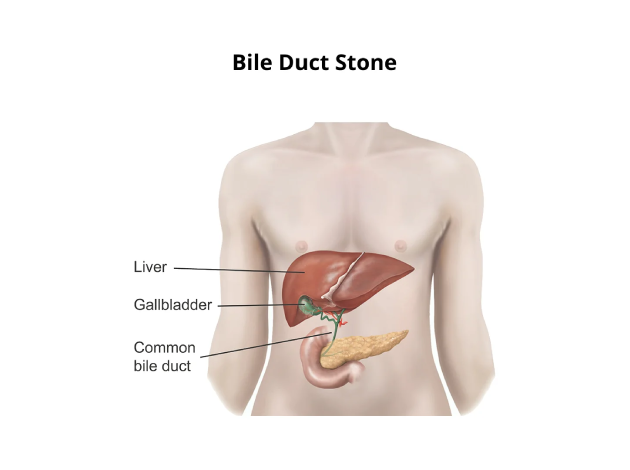
CBD Stone, or Common Bile Duct Stone, refers to the formation of stones (also called gallstones) in the common bile duct, a tube that carries bile from the liver and gallbladder to the small intestine. The bile duct plays a crucial role in digestion by helping to transport bile, which is essential for fat digestion. When stones form in this duct, they can block the normal flow of bile, leading to a variety of symptoms and complications.
CBD stones can either originate in the gallbladder and migrate into the bile duct, or they can form directly within the bile duct itself. These stones may vary in size, and some may cause no symptoms, while others can lead to severe complications.
What Causes CBD Stones?
The formation of CBD stones can be caused by several factors, and they are most commonly associated with the presence of gallstones in the gallbladder. The exact cause of gallstone formation is not always clear, but several risk factors may increase the likelihood of developing CBD stones:
- Gallstones in the Gallbladder:
Gallstones that form in the gallbladder can migrate to the common bile duct, where they may become lodged, causing an obstruction in the duct. - Bile Composition:
Changes in the composition of bile, such as excess cholesterol or bilirubin, can lead to the formation of stones. Bile is produced by the liver and stored in the gallbladder, and when there is an imbalance in the components of bile, stones may form. - Age:
CBD stones are more common in older adults, especially those over the age of 40, as the likelihood of gallstone formation increases with age. - Gender:
Women are more likely to develop gallstones and CBD stones compared to men. Hormonal changes during pregnancy or hormone replacement therapy can also contribute to this increased risk. - Obesity:
Obesity increases the risk of gallstone formation due to the excess cholesterol in the bile, which can promote stone formation. A high-fat diet and lack of physical activity may also contribute to this risk. - Certain Medical Conditions:
Certain conditions like cirrhosis of the liver, bile duct infections, and chronic hemolysis (destruction of red blood cells) can increase the likelihood of CBD stones. Individuals with diabetes or those with a family history of gallstones are also at a higher risk.
What Are the Symptoms of CBD Stones?
The symptoms of CBD stones can vary greatly depending on the size of the stone, the degree of bile duct obstruction, and whether any complications arise. Common symptoms include:
- Abdominal Pain:
Pain in the upper right side of the abdomen is the most common symptom of CBD stones. The pain can be severe and may radiate to the back or right shoulder. It is often triggered by eating, especially fatty foods. - Jaundice:
When a stone blocks the bile duct, bile can build up in the liver, causing jaundice. This results in yellowing of the skin and the whites of the eyes due to the accumulation of bilirubin in the bloodstream. - Nausea and Vomiting:
Blocked bile flow can lead to nausea, vomiting, and indigestion. These symptoms are often worse after eating meals, particularly those high in fat. - Fever and Chills:
An infection due to the obstruction of the bile duct (cholangitis) can cause fever and chills, which are signs of a more serious condition that requires immediate medical attention. - Dark Urine and Pale Stools:
If bile cannot flow properly into the intestines, the stool may become pale or clay-colored, while urine may turn dark due to the increased levels of bilirubin in the blood. - Itchy Skin:
The buildup of bile salts in the blood can lead to itching, which is a common symptom in people with blocked bile ducts.
How is CBD Stone Diagnosed?
The diagnosis of CBD stones typically involves a combination of clinical evaluation, medical history, and imaging tests to confirm the presence of stones in the bile duct. The following tests are commonly used:
- Ultrasound:
An abdominal ultrasound is the primary imaging test used to detect gallstones and CBD stones. It uses sound waves to produce images of the liver, gallbladder, and bile ducts, helping doctors identify the location and size of the stones. - Endoscopic Retrograde Cholangiopancreatography (ERCP):
ERCP is a specialized procedure used to diagnose and treat CBD stones. During ERCP, a flexible tube with a camera (endoscope) is inserted through the mouth, allowing the doctor to view the bile ducts and remove any stones. ERCP is both diagnostic and therapeutic. - CT Scan:
A CT scan may be used if the ultrasound results are unclear or if the doctor suspects other complications, such as a bile duct infection or abscess. - MRCP (Magnetic Resonance Cholangiopancreatography):
MRCP is a non-invasive imaging technique that uses magnetic resonance imaging (MRI) to visualize the bile ducts and identify stones without the need for a physical procedure. - Blood Tests:
Blood tests may be performed to assess liver function and check for signs of infection. Elevated levels of liver enzymes or bilirubin can indicate a bile duct obstruction.
What Are the Treatment Options for CBD Stones?
The treatment for CBD stones depends on the severity of the symptoms and the size and location of the stones. Treatment aims to relieve symptoms, remove the stones, and prevent complications. Common treatment options include:
- Endoscopic Retrograde Cholangiopancreatography (ERCP):
ERCP is often used to both diagnose and treat CBD stones. The procedure allows the doctor to remove the stones from the bile duct and restore the normal flow of bile. It is considered the gold standard for treating CBD stones. - Cholecystectomy (Gallbladder Removal):
If the CBD stones are caused by gallstones, the doctor may recommend cholecystectomy, the surgical removal of the gallbladder. This procedure is typically performed laparoscopically, meaning it involves small incisions and a quicker recovery time. Removing the gallbladder helps prevent the formation of future stones. - Surgery:
In cases where ERCP or non-invasive treatments are not effective, or if there are complications, surgery may be required to remove the stones from the bile duct. - Lithotripsy:
In some cases, stones can be broken up using a procedure called lithotripsy, which uses shock waves or lasers to fragment the stones. This option is less commonly used but may be suitable for certain types of stones. - Antibiotics:
If an infection (cholangitis) is present due to blocked bile ducts, antibiotics may be prescribed to treat the infection. In severe cases, hospitalization may be necessary.
What Are the Complications of CBD Stones?
CBD stones can lead to serious complications if not treated promptly. Some potential complications include:
- Cholangitis:
This is a life-threatening infection of the bile ducts caused by the blockage of bile flow. It can lead to fever, sepsis, and liver damage if not treated promptly. - Pancreatitis:
The blockage of the bile duct can also affect the pancreatic duct, leading to pancreatitis (inflammation of the pancreas), a condition that can cause severe abdominal pain, nausea, vomiting, and complications. - Jaundice and Liver Damage:
A prolonged obstruction of the bile duct can lead to jaundice, liver damage, and even liver failure in severe cases. - Gallbladder Complications:
In some cases, if left untreated, CBD stones can lead to gallbladder rupture or gallbladder infection (cholecystitis), which requires urgent medical intervention.
Why Choose Us?
Contact Us