Get Care
Cholecystitis
What is Cholecystitis?
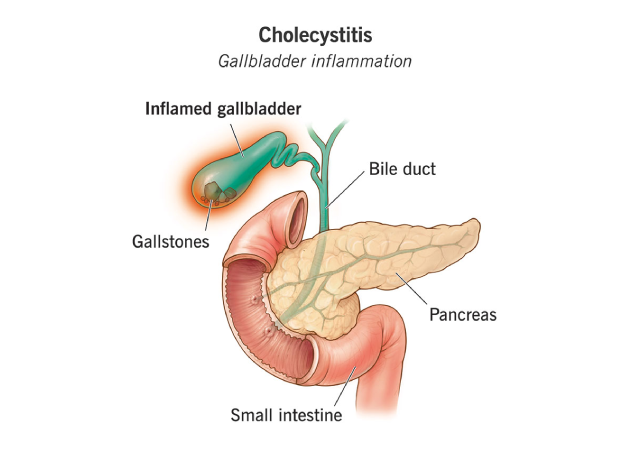
Cholecystitis is the inflammation of the gallbladder, a small organ located beneath the liver that stores bile produced by the liver to aid in digestion. This condition is often caused by gallstones blocking the ducts that drain bile from the gallbladder. When the ducts are blocked, bile can accumulate, leading to irritation and inflammation of the gallbladder. In some cases, cholecystitis can result from bacterial infections, tumors, or injury.
Cholecystitis can be classified into two main types:
- Acute Cholecystitis: This type develops suddenly and can cause severe symptoms, including intense abdominal pain. If not treated promptly, it may lead to serious complications like gallbladder rupture or infection.
- Chronic Cholecystitis: Chronic cholecystitis develops over time and is typically the result of repeated episodes of acute cholecystitis. It causes ongoing inflammation and may lead to the thickening and scarring of the gallbladder wall.
What are the causes of Cholecystitis?
Most cases of cholecystitis (about 90%) are caused by gallstones blocking the cystic duct, which leads to bile buildup, increased pressure, and gallbladder inflammation. If bacteria like E. coli, Klebsiella, or Enterococcus infect the stagnant bile, the condition can worsen and lead to complications like abscesses or sepsis—especially in diabetics or immunocompromised individuals.
Other causes include:
Tumors: Rare, but can block bile flow and cause inflammation, especially if malignant.
Injury or Trauma: Gallbladder damage from surgery, accidents, or procedures like ERCP can trigger inflammation.
Underlying Conditions:
HIV/AIDS increases infection risk.
Diabetes impairs immunity, increasing infection chances.
Sickle Cell Disease may lead to bilirubin stones and inflammation.
Prolonged fasting or IV nutrition can cause acalculous cholecystitis due to bile stasis.
What Are the Symptoms of Cholecystitis?
The symptoms of cholecystitis can range from mild to severe. The most common symptoms include:
- Severe Abdominal Pain:
The pain often starts in the upper right side of the abdomen and can spread to the back or right shoulder. The pain may be sharp or cramp-like and usually worsens after eating fatty foods. - Nausea and Vomiting:
The abdominal pain is often accompanied by nausea and vomiting, especially after meals. - Fever and Chills:
A fever can develop due to the inflammation or infection of the gallbladder. The fever may be accompanied by chills, indicating a more severe infection. - Jaundice:
If the inflammation blocks the bile ducts, it can lead to jaundice, which causes yellowing of the skin and eyes due to the buildup of bilirubin. - Bloating and Indigestion:
Individuals with cholecystitis may experience bloating, indigestion, and a general feeling of fullness, even after eating small amounts of food. - Loss of Appetite:
Pain, nausea, and general discomfort may lead to a decreased appetite.
How Cholecystitis Is Diagnosed?
Diagnosis of Cholecystitis involves both clinical assessment and diagnostic tests. Doctors begin by reviewing medical history and performing a physical exam, focusing on symptoms like right upper abdominal pain (often after fatty meals), nausea, vomiting, fever, and tenderness. Based on this, the following tests are commonly used:
Ultrasound (Abdominal)
First-line, non-invasive imaging to detect:Gallstones
Gallbladder wall thickening
Fluid around the gallbladder
Gallbladder distention
Positive Murphy’s sign
It’s quick and highly sensitive, especially in emergencies.
Blood Tests
Help detect inflammation or complications:WBC Count: Elevated in infection/inflammation
Liver Function Tests (ALT, AST, ALP, GGT) and Bilirubin: Raised levels may suggest bile duct issues or liver involvement.
CT Scan
Used in unclear or severe cases to detect:Complications like perforation or abscess
Atypical presentations
Alternative causes of abdominal pain
Especially helpful when ultrasound is inconclusive.
What are the Treatment Options for Cholecystitis?
Treatment for cholecystitis depends on the severity of the condition. The main treatment goals are to reduce inflammation, manage symptoms, and treat any infections. Treatment options include:
Hospitalization and Observation:
Severe cases may require hospitalization, where IV fluids, antibiotics, and painkillers are given to manage symptoms and prevent complications.Antibiotics:
If infection is present, antibiotics are administered—initially through IV in the hospital, then possibly as oral medication once stable.Pain Management:
Pain is controlled using acetaminophen, NSAIDs, or stronger medications as needed.Surgery (Cholecystectomy):
Gallbladder removal is the definitive treatment:
Laparoscopic Cholecystectomy: Minimally invasive and preferred method.
Open Cholecystectomy: Used for complicated cases and requires a longer recovery.
Drainage:
If surgery must be delayed or there’s an abscess, the gallbladder may be drained using a tube inserted into the abdomen.
What Are the Complications of Cholecystitis?
If cholecystitis is not treated promptly, it can lead to serious complications, including:
- Gallbladder Rupture:
A ruptured gallbladder is a life-threatening complication that can cause bile to leak into the abdominal cavity, leading to peritonitis (inflammation of the abdominal lining), which requires emergency treatment. - Sepsis:
Infection from untreated cholecystitis can spread into the bloodstream, leading to sepsis, a severe and potentially fatal condition characterized by widespread inflammation and organ dysfunction. - Bile Duct Obstruction:
In some cases, inflammation or infection can cause bile to back up into the liver and other parts of the digestive system, resulting in jaundice, liver damage, and potentially pancreatitis. - Chronic Cholecystitis:
Repeated episodes of acute cholecystitis can cause long-term damage to the gallbladder, leading to chronic cholecystitis, which can reduce its function and complicate future treatments.
Why Choose Us?
Contact Us