Get Care
Colorectal Diseases
What Are Colorectal Diseases?
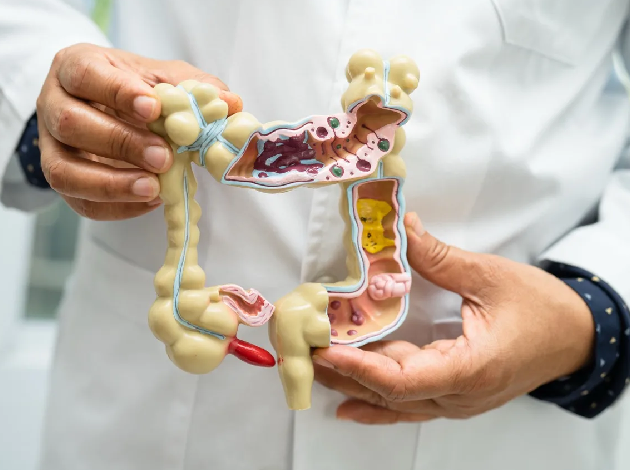
Colorectal diseases encompass a wide range of conditions that affect the colon (large intestine) and rectum, which are integral parts of the digestive system. These conditions can range from mild to severe and may include disorders like colorectal cancer, inflammatory bowel disease (IBD), diverticulitis, and functional issues such as irritable bowel syndrome (IBS).The colon’s primary function is to absorb water and electrolytes from digested food and to store and eliminate waste. Any disruption in this process can lead to a variety of symptoms, including abdominal pain, bloating, changes in bowel movements, and more serious conditions like bleeding and cancer.
What are the causes of colorectal diseases?
Colorectal diseases affect the colon and rectum and include conditions like cancer, inflammatory bowel disease, infections, and functional disorders. Their causes generally fall into the following categories:
(1) Genetic & Hereditary Factors
Conditions like Lynch Syndrome and Familial Adenomatous Polyposis (FAP) increase colorectal cancer risk due to inherited gene mutations.
(2) Dietary Habits
A low-fiber, high-fat diet rich in red and processed meats is linked to colorectal disease. Lack of fruits and vegetables also reduces protective nutrients.
(3) Inflammatory Conditions (IBD)
Chronic diseases like Ulcerative Colitis and Crohn’s Disease cause long-term inflammation, raising cancer risk.
(4) Lifestyle Factors
Sedentary behavior, obesity, smoking, and heavy alcohol use all contribute to colorectal diseases through inflammation and DNA damage.
(5) Age
Risk increases significantly after age 50 due to slower cell repair and cumulative exposures.
(6) Infections & Microbiome Imbalance
Infections like C. difficile and viruses like HPV, along with gut microbiome disruption, can trigger inflammation or malignancy.
(7) Colonic Polyps
Adenomatous polyps, though benign, may develop into cancer if untreated.
(8) Other Medical Conditions
Type 2 diabetes, gallbladder disease, and prior abdominal radiation are additional risk factors.
What Are the Symptoms of Colorectal Diseases?
Symptoms vary widely depending on the specific disease, but common signs of colorectal disorders include:
- Abdominal Pain and Cramps: Persistent or intermittent pain, which may be mild or severe, often associated with bowel movements.
- Changes in Bowel Habits: Diarrhea, constipation, or alternating between the two, especially if the changes are long-term.
- Blood in Stool: The presence of blood may indicate conditions such as hemorrhoids, colorectal cancer, or diverticulitis.
- Unexplained Weight Loss: Unintentional weight loss without changes in diet or exercise could be a sign of cancer or severe inflammation.
- Fatigue: Chronic fatigue can occur due to blood loss, malabsorption, or severe inflammation.
- Nausea and Vomiting: These symptoms may be associated with severe bowel obstruction or infection.
What are the risk factors for colorectal diseases?
Colorectal diseases encompass a spectrum of conditions affecting the colon and rectum, including colorectal cancer, inflammatory bowel disease (IBD), diverticulitis, and colonic polyps. The following are established risk factors that contribute to the development of these conditions:
Age
The risk of colorectal diseases, especially cancer, increases significantly after age 50.- Family History and Genetics
Having close relatives with colorectal cancer or polyps raises your risk. Inherited conditions like Lynch syndrome and FAP can cause early-onset cancer. - Medical History
People with inflammatory bowel diseases (like ulcerative colitis or Crohn’s disease) are more likely to develop colorectal problems.
A history of polyps, colorectal cancer, or radiation to the abdomen also increases risk.
Type 2 diabetes may raise the risk due to changes in metabolism and insulin levels. - Diet
Eating a lot of red or processed meats and too little fiber, fruits, and vegetables increases risk.
Diets high in unhealthy fats and low in vitamins may also play a role. - Lifestyle Habits
Lack of physical activity, being overweight (especially belly fat), smoking, and heavy alcohol use are all linked to higher risk. - Infections and Gut Health
Certain infections, like C. difficile, can cause inflammation in the colon.
HPV increases the risk of anal and rectal cancer.
An unbalanced gut microbiome, often caused by antibiotics or poor diet, may increase inflammation and risk. - Ethnicity and Location
People of African descent are at higher risk and may be diagnosed later.
Colorectal diseases are more common in developed countries, likely due to diet and lifestyle.
What are the complications of colorectal diseases?
Colorectal diseases can lead to a range of complications, depending on the specific condition (e.g., colorectal cancer, inflammatory bowel disease, diverticulitis, etc.). Below is a general overview of common complications across various colorectal conditions:
Bowel Obstruction
Blockage in the colon or rectum from tumors or inflammation.
Causes pain, bloating, vomiting, and constipation.
May need emergency surgery.
Gastrointestinal Bleeding
Seen in conditions like colorectal cancer, IBD, hemorrhoids, or diverticulosis.
Can cause anemia, fatigue, or shock in severe cases.
Perforation
A hole in the wall of the colon or rectum, often caused by diverticulitis, IBD, or advanced cancer.
Leads to peritonitis (inflammation of the abdominal lining), a life-threatening emergency.
Abscesses and Fistulas
Abscess: A pocket of pus caused by infection, common in Crohn’s disease or diverticulitis.
Fistula: An abnormal connection between the colon and other organs (e.g., bladder, skin, or vagina), often resulting from chronic inflammation.
Chronic Diarrhea or Constipation
Common in functional disorders like irritable bowel syndrome (IBS) or IBD, impacting quality of life and nutrition.
Malabsorption, Malnutrition, and Increased Risk of Colorectal Cancer Incontinence
In conditions like inflammatory bowel disease (IBD), prolonged inflammation can interfere with nutrient absorption, leading to weight loss, vitamin deficiencies, and fatigue. Additionally, chronic inflammation or the presence of certain types of polyps, such as adenomatous polyps, can significantly increase the long-term risk of developing colorectal cancer.
Psychological Impact
Chronic colorectal diseases often cause anxiety, depression, and social withdrawal due to ongoing symptoms and lifestyle disruption.
Diagnosis of Colorectal Diseases
Diagnosing colorectal diseases, including cancer, polyps, diverticulitis, IBD, infections, and IBS, requires a comprehensive approach with clinical evaluation, lab tests, imaging, and direct visualization of the colon and rectum. Early diagnosis is crucial for effective treatment and better outcomes, particularly in cancer and inflammatory conditions.
1. Physical Examination
A comprehensive physical exam is the first step in evaluating a patient with symptoms such as abdominal pain, rectal bleeding, changes in bowel habits, or unexplained weight loss.
- A Digital Rectal Examination (DRE) is often performed, in which the doctor inserts a gloved, lubricated finger into the rectum to feel for:
- Masses or tumors
- Tenderness or swelling
- Presence of blood
- The abdominal area is also palpated to detect any distension, tenderness, or palpable masses.
Though limited in scope, the physical exam can provide immediate signs that warrant further testing.
2. Colonoscopy
Colonoscopy is the gold standard diagnostic procedure for evaluating the colon and rectum.
- A long, flexible tube with a camera (colonoscope) is inserted through the rectum to allow direct visualization of the entire colon.
- It is highly effective in diagnosing:
- Colorectal cancer
- Polyps
- Ulcerative colitis or Crohn’s disease
- Diverticulosis or diverticulitis
- Bleeding sources
- During the procedure, biopsies can be taken for histological examination, and polyps can be removed to prevent progression to cancer.
- Colonoscopy is typically performed under sedation and requires bowel preparation to clear the colon.
It is an essential tool in both diagnosing and preventing colorectal disease.
3. Imaging Studies
Imaging techniques are valuable for detecting structural abnormalities, complications, or when colonoscopy is contraindicated.
- CT Scan (Computed Tomography):
- Commonly used in emergencies (e.g., suspected diverticulitis, abscesses, or perforation).
- CT colonography (virtual colonoscopy) may be used as a non-invasive screening tool.
- MRI (Magnetic Resonance Imaging):
- Provides detailed soft tissue images and is especially useful in evaluating rectal cancer or fistulas in Crohn’s disease.
- X-rays:
- Less commonly used, but can detect bowel obstructions, perforation, or toxic megacolon (in severe colitis).
- A barium enema (contrast X-ray) may occasionally be used when colonoscopy isn’t available.
Imaging helps assess the extent and severity of disease and guides treatment planning.
4. Blood Tests
Blood tests provide supportive information and can indicate underlying inflammation, infection, or anemia, which may accompany many colorectal conditions.
- Complete Blood Count (CBC):
- Can detect anemia (suggesting chronic bleeding) or elevated white blood cells (indicating infection or inflammation).
- Inflammatory markers:
- C-reactive protein (CRP) and Erythrocyte Sedimentation Rate (ESR) are elevated in active inflammatory bowel disease or infection.
- Liver function tests and tumor markers:
- Carcinoembryonic Antigen (CEA) may be elevated in colorectal cancer and is used to monitor treatment.
Though not diagnostic alone, these tests support clinical findings and guide further evaluation.
5. Stool Tests
Stool analysis plays a significant role in detecting occult bleeding, infection, or inflammation in the gastrointestinal tract.
- Fecal Occult Blood Test (FOBT) or Fecal Immunochemical Test (FIT):
- Detect hidden blood in the stool and are commonly used for colorectal cancer screening.
- Stool Culture:
- Identifies bacterial pathogens in cases of infectious diarrhea.
- Ova and Parasite Test:
- Used to detect parasitic infections, especially in travelers or immunocompromised individuals.
- Calprotectin or Lactoferrin:
- Markers of inflammation used to distinguish IBD from IBS.
Stool tests are non-invasive and useful as initial screening or in patients where invasive tests are not feasible.
6. Biopsy
A biopsy involves removing a small sample of tissue, typically during a colonoscopy, for microscopic examination.
- Biopsies help confirm or rule out:
- Colorectal cancer
- Inflammatory bowel disease (e.g., Crohn’s, ulcerative colitis)
- Microscopic colitis
- Infectious colitis
- The pathologist examines tissue for cellular changes, dysplasia, or malignancy.
Biopsy results are often the definitive diagnosis, especially in identifying cancer or chronic inflammatory disorders.
Treatment of Colorectal Diseases
The treatment for colorectal diseases depends on the specific condition and its severity. Some general treatment options include:
(1) Medications:
Anti-inflammatory drugs, antibiotics, pain relievers, and laxatives can help manage symptoms and treat underlying causes such as infection or inflammation.
(2) Dietary Changes:
A high-fiber diet can be beneficial for conditions like diverticulosis, IBS, and hemorrhoids. Avoiding foods that trigger symptoms is crucial for managing certain conditions.
(3) Surgery:
Surgery may be required for conditions such as colorectal cancer, severe diverticulitis, or complicated IBD. Common procedures include:
- Colorectal Resection: Removal of a portion of the colon or rectum affected by disease.
- Stoma Creation: In cases of extensive disease or cancer, a stoma (opening) may be created to allow waste to be expelled into an external bag.
- Polyp Removal: During a colonoscopy, polyps (precancerous growths) can be removed before they develop into cancer.
(4) Chemotherapy and Radiation:
For colorectal cancer, chemotherapy and radiation may be recommended in addition to surgery to kill cancer cells and prevent the spread of the disease.
(5) Immunotherapy and Biologics:
These are used in treating conditions like IBD to suppress the immune system and reduce inflammation.
(6) Lifestyle Modifications:
Regular exercise, smoking cessation, and managing stress are all important components of treatment and prevention for many colorectal diseases.
Why Choose Us?
Contact Us