Get Care
Gall Bladder Stones
What are Gallbladder Stones?
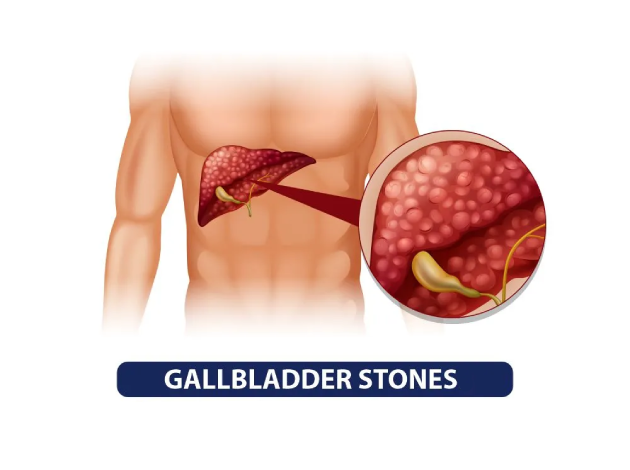
Gallbladder stones, also known as cholelithiasis, are hardened deposits of bile that can form in the gallbladder, a small organ located beneath the liver. The gallbladder stores bile, a digestive fluid produced by the liver that helps break down fats in the small intestine. Gallstones can range in size from a grain of sand to a golf ball, and they can be classified into two main types:
- Cholesterol Stones: These are the most common type of gallstones, consisting primarily of hardened cholesterol. They typically form when there is too much cholesterol in the bile.
- Pigment Stones: These stones are smaller and darker and are made from excess bilirubin, a substance produced when the body breaks down red blood cells. They are more common in people with certain medical conditions like cirrhosis or blood disorders.
What Causes Gallbladder Stones?
Gallstones develop when there is an imbalance in the substances that make up bile, leading to the formation of hardened deposits. The key causes of gallstones include:
- Excess Cholesterol in the Bile:
When there is too much cholesterol in the bile, it can form crystals that eventually turn into gallstones. This is more common in individuals who are obese, have diabetes, or have high cholesterol levels. - Too Much Bilirubin in the Bile:
Bilirubin is a substance produced when the liver breaks down red blood cells. If the liver produces too much bilirubin, the excess can contribute to the formation of pigment stones. - Underactive Gallbladder:
If the gallbladder does not empty properly, bile can become concentrated, which may lead to the formation of stones. This is more likely to occur in people with certain medical conditions or those who have rapid weight loss. - Gender and Age:
Women are more likely than men to develop gallstones, particularly during pregnancy or after childbirth. Hormones like estrogen and progesterone increase cholesterol levels in bile, which can lead to gallstone formation. As people age, the risk of developing gallstones increases. - Obesity and Poor Diet:
Obesity is a significant risk factor for developing gallstones. Diets high in fat, low in fiber, and low in fruits and vegetables can contribute to gallstone formation. Weight loss surgery, which leads to rapid weight loss, can also increase the risk. - Medical Conditions:
Conditions such as cirrhosis, Crohn’s disease, and sickle cell anemia can increase the risk of gallstones. Additionally, diabetes, high blood pressure, and metabolic syndrome are linked to an increased risk of developing gallstones.
What are the Symptoms of Gall Bladder Stones?
Many people with gallstones experience no symptoms and are unaware they have them. However, if a gallstone blocks a bile duct, it can cause intense symptoms known as biliary colic or a “gallbladder attack.”
Common symptoms of a gallbladder attack include:
- Abdominal Pain: A sudden, sharp pain in the upper right side of the abdomen, often after eating a fatty meal. This pain can last from a few minutes to several hours.
- Nausea and Vomiting: The pain may be accompanied by nausea and vomiting due to the digestive disturbance caused by the stones.
- Indigestion: Individuals with gallstones may experience bloating, gas, and indigestion, especially after consuming fatty foods.
- Jaundice: If a gallstone blocks a bile duct, it can lead to a backup of bile, causing yellowing of the skin and eyes (jaundice).
- Fever and Chills: A gallstone that causes infection can lead to a fever, chills, and pain, which may indicate a more serious condition such as cholecystitis (inflammation of the gallbladder).
- Clay-Colored Stools: A blockage in the bile ducts may prevent bile from entering the intestines, leading to pale or clay-colored stools.
- Dark Urine: A blocked bile duct can also cause bile to leak into the bloodstream, which can darken the urine.
If you experience sudden, severe pain in the upper abdomen, especially with nausea, vomiting, or jaundice, seek immediate medical attention as it could indicate a more serious complication.
How are Gallbladder Stones Diagnosed?
To diagnose gallstones, a doctor—usually a gastroenterologist or surgeon—will start with a review of the patient’s medical history and a physical exam, focusing on symptoms like upper right abdominal pain, nausea, vomiting, or jaundice. Based on the findings, they may order tests to confirm the presence, size, and location of gallstones and check for complications. Common diagnostic methods include:
- Ultrasound Imaging:
The abdominal ultrasound is the first-line and most widely used test for diagnosing gallstones. It involves using high-frequency sound waves to create real-time images of the gallbladder. This non-invasive, painless procedure can detect the presence of stones within the gallbladder, evaluate gallbladder wall thickness, and identify signs of inflammation. - Computed Tomography (CT) Scan:
A CT scan provides cross-sectional images of the abdomen and liver. Although not as sensitive as ultrasound for detecting gallstones themselves, it is highly valuable in identifying complications such as gallbladder rupture, abscesses, or pancreatitis caused by gallstones. - Magnetic Resonance Imaging (MRI) / MRCP:
Magnetic Resonance Cholangiopancreatography (MRCP) is a special type of MRI that offers high-resolution images of the biliary and pancreatic ducts. It is particularly effective in detecting stones lodged in the bile ducts, which may not be visible on standard ultrasound or CT scans. - Endoscopic Ultrasound (EUS):
EUS combines endoscopy and ultrasound to obtain detailed images of the digestive tract, including the gallbladder and bile ducts. A thin, flexible tube with a small ultrasound probe is inserted through the mouth and advanced to the stomach and duodenum. This method is especially useful when conventional imaging results are inconclusive or when stones are suspected in the bile ducts. - Blood Tests:
Blood tests are used to assess liver function and detect possible infections or blockages. Elevated levels of liver enzymes (ALT, AST), bilirubin, and white blood cell count can indicate inflammation, obstruction of the bile ducts, or associated liver dysfunction.
What are the Treatment Options for Gallbladder Stones?
Treatment for gallstones depends on the severity of the symptoms, the size of the stones, and whether any complications have developed. The main treatment options include:
- Lifestyle and Dietary Changes:
For mild cases, making changes to your diet and lifestyle can help manage symptoms. A healthy, low-fat, high-fiber diet can prevent the formation of new stones. Regular exercise and maintaining a healthy weight can also reduce the risk. - Medications:
In some cases, medications can be used to dissolve cholesterol-based gallstones. However, this treatment is often slow and may take months or even years to work, making it less effective for larger stones or symptomatic cases. - Gallbladder Surgery (Cholecystectomy):
The most common and definitive treatment for symptomatic gallstones is cholecystectomy, the surgical removal of the gallbladder. This can be performed using one of two methods:
- Laparoscopic Cholecystectomy: This minimally invasive procedure is the most common method and involves making small incisions and using a camera to guide the removal of the gallbladder. Recovery time is typically quick.
- Open Cholecystectomy: In more complex cases or when laparoscopic surgery is not possible, a larger incision may be made to remove the gallbladder. This approach typically requires a longer recovery time.
- Endoscopic Retrograde Cholangiopancreatography (ERCP):
If a gallstone becomes lodged in the bile ducts, an ERCP procedure can be performed to remove the stone. During this procedure, a flexible tube with a camera is passed through the digestive tract to the bile ducts, where the stone can be removed or broken up.
What are the Complications of Gall Bladder Stones?
Gallstones can lead to serious complications if left untreated, including:
- Cholecystitis: Inflammation of the gallbladder, which can cause severe pain, fever, and infection.
- Bile Duct Blockage: If a stone blocks the bile duct, it can lead to jaundice, infection, and damage to the liver or pancreas.
- Pancreatitis: A blocked bile duct can also affect the pancreas, leading to inflammation known as pancreatitis, which can be life-threatening.
- Gallbladder Perforation: In severe cases, the gallbladder may rupture, leading to infection in the abdominal cavity (peritonitis).
Why Choose Us?
Contact Us