Get Care
GERD (Gastroesophageal Reflux Disease)
What is GERD?
Gastroesophageal reflux disease (GERD) is a chronic digestive disorder in which stomach acid frequently flows back into the esophagus—the tube that connects your mouth to your stomach. This backflow, known as acid reflux, irritates the lining of the esophagus and can cause symptoms such as heartburn.
What are the Causes of GERD ?
- Frequent Acid Reflux
GERD occurs when acid reflux happens often enough to irritate and damage the esophagus. - LES Dysfunction
A weak or relaxed lower esophageal sphincter (LES) allows stomach acid to flow back into the esophagus. - Hiatal Hernia
This condition pushes part of the stomach into the chest, weakening LES function and increasing reflux risk. - Obesity
Extra abdominal fat puts pressure on the stomach, promoting acid reflux. - Smoking
Reduces LES strength, increases acid production, and delays healing of the esophagus. - Dietary Triggers
Foods like fatty meals, chocolate, peppermint, coffee, and alcohol can relax the LES or boost acid levels. - Poor Eating Habits
Large or late meals raise the risk of reflux, especially when lying down soon after eating.
What are the Signs and Symptoms of GERD?
GERD is commonly caused by stomach acid entering the esophagus, leading to symptoms like heartburn, chest pain, and upper stomach discomfort. These symptoms often worsen after eating but can occur at any time, particularly when lying down at night.
Other signs of GERD include difficulty swallowing or the sensation of having a lump in the throat or chest. Additionally, burping up sour liquid or regurgitated food can occur. For those with nighttime acid reflux, symptoms like chronic cough, laryngitis, asthma, and disturbed sleep are also common.If left untreated, prolonged exposure to stomach acid can result in complications such as scar tissue formation in the esophagus, making swallowing more difficult. There is also a risk of developing esophageal ulcers and, in severe cases, esophageal cancer.
If acid reflux occurs at night, additional symptoms may include:
- Disrupted sleep
- Chronic cough
- New or worsening asthma
- Laryngitis
Many people experience acid reflux occasionally, especially after large meals or lying down soon after eating. However, if acid reflux happens at least twice a week, it may indicate GERD, and symptoms can become moderate to severe. For persistent symptoms, it’s advisable to consult a gastroenterologist.
What are the Risk factors of GERD?
Several conditions can increase the risk of developing GERD, including:
- Hiatal hernia: When the top of the stomach bulges into the diaphragm.
- Overweight or obesity: Increased abdominal pressure can contribute to GERD.
- Delayed gastric emptying: Slow digestion can lead to acid reflux.
- Pregnancy: Hormonal changes and increased pressure on the stomach can trigger GERD.
- Scleroderma or CREST syndrome: Rare autoimmune diseases that can affect the esophagus and contribute to GERD.
Certain risk factors can worsen acid reflux over time, potentially leading to GERD, such as:
- Smoking
- Eating large meals or eating late at night
- Consuming trigger foods (e.g., fatty or fried foods)
- Lying down soon after eating
- Drinking alcohol, coffee, or soda
- Taking medications without consulting a doctor
What are the Complications of GERD?
In most cases, GERD does not lead to severe complications. However, if left undiagnosed or untreated, it can result in serious, even life-threatening, health issues, such as:
- Esophageal stricture (narrowing of the esophagus): Stomach acid damages the lower esophagus, leading to scar tissue formation, which narrows the food passage and causes difficulty swallowing.
- Esophageal ulcer (open sores in the esophagus): Stomach acid can erode the esophageal lining, causing painful open sores that may bleed and make swallowing difficult.
- Barrett’s esophagus (precancerous changes in the esophagus): Acid damage can alter the tissue in the lower esophagus, increasing the risk of esophageal cancer.
- Esophageal cancer: This is a rare complication, affecting a small number of people with Barrett’s esophagus.
- Respiratory issues: Breathing in stomach acid can lead to asthma, chronic cough, or other breathing problems.
- Dental issues: GERD can result in tooth enamel erosion, gum disease, and other dental problems.
What are the Diagnosis of GERD?
To diagnose GERD or assess potential complications, a gastroenterologist may use one or more of the following tests:
- Upper GI Endoscopy: A flexible tube with a small camera is inserted into the esophagus to inspect it and take a tissue sample (biopsy) if necessary.
- Esophageal Manometry: A flexible tube is placed into the esophagus to measure the strength and function of the esophageal muscles.
- Esophageal pH Monitoring: A monitor is inserted into the esophagus to track when and if stomach acid refluxes into it.
- Barium Swallow X-ray: After drinking a barium solution, X-ray imaging is used to examine the upper digestive tract.
What is the Treatment for GERD?
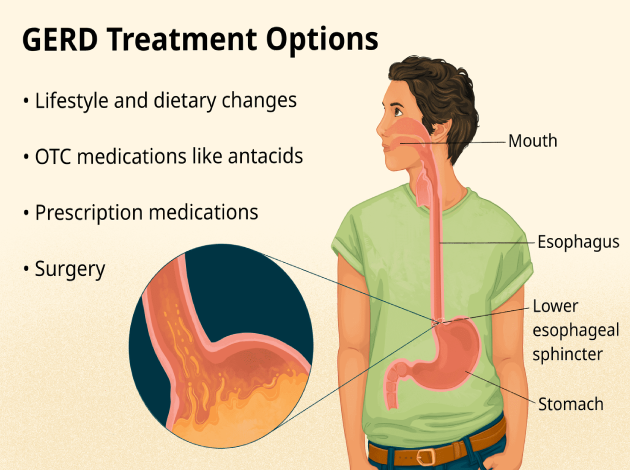
GERD is often managed with lifestyle changes and over-the-counter medications. Quitting smoking, reducing alcohol, and adjusting diet—especially weight loss—can significantly ease symptoms. If these measures aren’t enough, prescription medications may be needed.
For persistent cases or those wanting long-term relief without daily meds, procedures like TIF (Transoral Incisionless Fundoplication) can help by strengthening the valve between the stomach and esophagus.
To reduce the frequency of acid reflux episodes, the following lifestyle tips are recommended:
- Maintain a healthy weight – Extra weight puts pressure on the abdomen and stomach, increasing the risk of acid reflux.
- Quit smoking – Smoking weakens the lower esophageal sphincter, making reflux more likely.
Raise the head of your bed – Elevating the bed by 6–9 inches can prevent nighttime heartburn. Avoid just using extra pillows, as that is not effective. - Wait before lying down after meals – Stay upright for at least three hours after eating to minimize reflux.
- Eat slowly and chew thoroughly – Take smaller bites and eat at a slower pace to improve digestion.
- Avoid foods and drinks that trigger reflux – Common culprits include fried and fatty foods, tomato-based dishes, alcohol, chocolate, mint, garlic, onions, and caffeine.
- Wear loose-fitting clothes – Tight garments can put pressure on your stomach and trigger reflux.
Why Choose Us?
Contact Us