
Get Care
Intestinal Obstruction
What is Intestinal Obstruction?
Intestinal obstruction is a medical emergency that occurs when the normal flow of contents through the intestines is blocked, leading to a buildup of food, fluids, and gas. This condition can affect either the small intestine or the large intestine (colon), with the small intestine being more commonly involved. The obstruction can be partial or complete, and if left untreated, it can lead to serious complications such as bowel ischemia, perforation, sepsis, or even death.
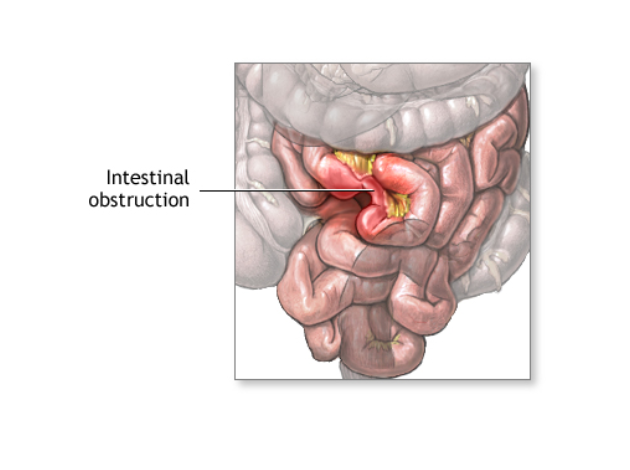
What are the Causes of Intestinal Obstruction?
1. Mechanical Causes (Physical Blockage):
Adhesions:
Scar tissue from previous surgeries can kink or tether the bowel—most common cause of small bowel obstruction.Hernias:
Intestine protrudes through a weak spot in the abdominal wall; may get trapped or strangulated.Tumors:
Growths inside or outside the bowel can block the passage of intestinal contents.Intussusception:
One part of the intestine slides into another, causing blockage—common in young children.Volvulus:
Twisting of the bowel, often in the sigmoid colon or cecum, leading to obstruction and compromised blood flow.Impacted Stool:
Hard feces can obstruct the colon, especially in elderly or immobile individuals.Foreign Bodies:
Swallowed objects (e.g., bones, coins) may lodge and block the bowel.
2. Non-Mechanical Causes (Motility Issues):
Paralytic Ileus:
Temporary halt in bowel movement, often after surgery or due to medications or electrolyte imbalance.Inflammatory Bowel Disease (IBD):
Chronic inflammation (e.g., Crohn’s) can lead to strictures that narrow the bowel.Ischemic Bowel Disease:
Reduced blood supply causes swelling or tissue death, impairing bowel function.Infections:
Certain infections can cause inflammation or toxin-induced paralysis of the bowel.
Note:
Severe obstruction may lead to bowel perforation, presenting with sharp abdominal pain, fever, and shock—requiring urgent medical care.
What are the Symptoms for Intestinal Obstruction?
The symptoms can vary depending on whether the obstruction is partial or complete, and whether it affects the small intestine or large intestine. Here are the descriptive symptoms commonly associated with intestinal obstruction:
(1) Abdominal Pain
Cramping and colicky in nature, often coming in waves.
May be constant in later stages or with strangulation.
Typically centered around the mid-abdomen in small bowel obstruction and lower abdomen in large bowel obstruction.
(2) Abdominal Distension
The abdomen appears swollen or bloated.
More pronounced in large bowel obstruction or distal small bowel obstruction.
(3) Vomiting
Early and bilious (greenish) vomiting in high small bowel obstructions.
Feculent (foul-smelling) vomiting in distal obstructions.
Can be severe and lead to dehydration and electrolyte imbalance.
(4) Constipation and Obstipation
Inability to pass stool or gas (obstipation) is a hallmark of complete obstruction.
In partial obstruction, some gas or stool may still pass.
Important distinguishing feature from simple constipation.
(5) Bowel Sounds
Initially high-pitched, tinkling sounds due to increased peristalsis.
Later stages may show absent bowel sounds, indicating paralysis or strangulation.
(6) Nausea and Anorexia
Loss of appetite and persistent nausea often accompany other symptoms.
(7) Signs of Shock (in severe cases)
If strangulation or perforation occurs: fever, tachycardia, hypotension, and altered mental status may develop.
Indicates sepsis or ischemia and is a medical emergency.
What are the Risk Factors of Intestinal Obstruction?
If left untreated, intestinal obstruction can lead to serious complications, including:Several factors can increase the risk of developing intestinal obstruction:
- Previous abdominal surgery – Adhesions (scar tissue) formed after surgery are one of the most common causes of mechanical obstruction.
- Hernias – Certain abdominal hernias, especially in the elderly or those with weakened muscles, can predispose to obstruction.
- Cancer – Abdominal or pelvic cancers can cause blockages due to tumor growth.
- Inflammatory bowel diseases – Crohn’s disease or ulcerative colitis can lead to narrowing of the intestines.
- Advanced age – Older individuals are more likely to experience conditions that lead to obstruction, such as hernias, cancer, or weakened abdominal muscles.
- Constipation – Chronic constipation or impaction can cause mechanical obstructions in the colon.
- Previous history of obstructions – A history of prior intestinal obstructions can increase the likelihood of recurrence.
- Certain medications – Narcotic pain medications, antidepressants, and other drugs that can impair bowel motility.
What are the Complications of Intestinal Obstruction?
If left untreated, intestinal obstruction can lead to serious complications, including:
- Bowel ischemia – Reduced blood flow to the intestine, which can lead to tissue death.
- Perforation – The intestine may rupture, leading to the release of bacteria into the abdominal cavity and resulting in peritonitis.
- Sepsis – An infection that spreads throughout the body, often a result of bowel perforation or severe infection.
- Electrolyte imbalances – Due to fluid loss and dehydration, leading to complications such as arrhythmias or kidney failure.
- Shock – Caused by severe dehydration or infection.
Prompt treatment is essential to prevent these complications and ensure a full recovery.
Diagnosis of Intestinal Obstruction
(1) Physical Examination
Initial assessment includes checking for abdominal distension, tenderness, and bowel sounds. High-pitched or absent sounds may indicate obstruction or ileus.
(2) Abdominal X-ray
Often the first imaging test. It can show dilated bowel loops, air-fluid levels, and absence of rectal gas. May also detect free air in cases of perforation.
(3) CT Scan
The most accurate tool to identify the site and cause of obstruction (e.g., adhesions, tumors, hernias) and detect complications like ischemia or perforation.
(4) Ultrasound
Useful in children and pregnant women. Can detect dilated loops, intussusception (target sign), or free fluid. Operator-dependent.
(5) Blood Tests
Help assess dehydration, electrolyte imbalances, infection, and bowel ischemia. Elevated WBC or lactate may suggest complications.
(6)Endoscopy
Used mainly for suspected gastric or duodenal obstruction. Allows visualization, biopsy, or removal of foreign bodies if needed.
Treatment of Intestinal Obstruction
The treatment of intestinal obstruction depends on its cause and severity.
(1) Conservative (non-surgical) treatment may include:
- NPO (nothing by mouth) – To rest the intestines and prevent further complications.
- Intravenous (IV) fluids – To correct dehydration and maintain electrolyte balance.
- Nasogastric (NG) tube insertion – To relieve pressure in the stomach and intestines by draining fluids and gas.
- Pain management – Analgesics to relieve pain, but narcotics are usually avoided to prevent impairing bowel motility.
- Antibiotics – If infection or sepsis is suspected, broad-spectrum antibiotics may be started.
(2) Surgical treatment may be required in cases of:
- Complete obstruction
- Perforation or ischemia
- Mechanical causes (hernia, tumor, etc.)
- Failure of conservative measures
(3) Surgical options include:
- Resection of obstructed or necrotic bowel – Removal of the affected section of the intestine.
- Bowel reattachment – Reconnecting healthy bowel segments after a section is removed.
- Hernia repair – Surgical repair of the hernia causing the obstruction.
Post-surgery, most patients are monitored closely for complications and gradually start oral intake once bowel function returns.
Lifestyle and Supportive Measures
- Dietary modifications – A high-fiber diet for prevention of constipation, and adequate fluid intake.
- Managing underlying conditions – Proper control of conditions like Crohn’s disease or cancer that may predispose to obstruction.
- Avoiding self-medication – In cases of severe abdominal pain, it’s important not to take over-the-counter laxatives or pain medications without consulting a doctor.
If you experience symptoms of intestinal obstruction such as severe abdominal pain, vomiting, or constipation, it is important to seek immediate medical attention to prevent complications and ensure timely treatment.
Why Choose Us?
Contact Us