
Get Care
Liver Abscess
What is a Liver Abscess?
A liver abscess is a localized collection of pus within the liver, typically caused by a bacterial or parasitic infection. It occurs when microorganisms invade the liver tissue, leading to an inflammatory response and the formation of an abscess. Liver abscesses can be classified into two main types: pyogenic liver abscesses, caused by bacteria, and amoebic liver abscesses, caused by the parasite Entamoeba histolytica.
Pyogenic abscesses are more common in developed countries, while amoebic liver abscesses are more prevalent in regions with poor sanitation. Both types can be life-threatening if not treated promptly and effectively. Liver abscesses can range from small to large in size, and multiple abscesses may develop simultaneously.
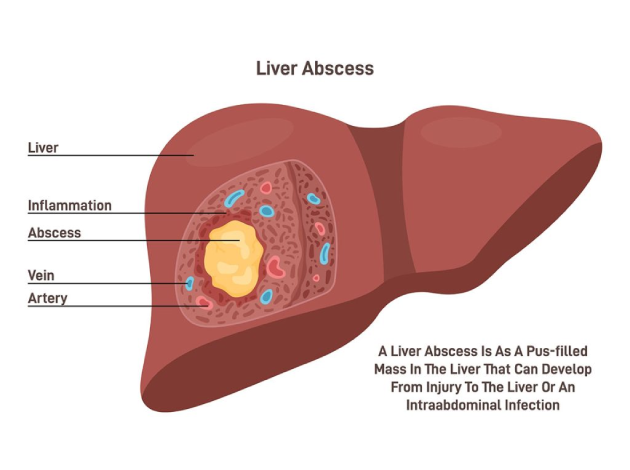
What Causes Liver Abscess?
The primary causes of liver abscesses are infections that reach the liver either through the bloodstream or from nearby organs. Common causes include:
- Bacterial Infections:
Pyogenic Abscess: The most common cause of a liver abscess is a bacterial infection, often resulting from biliary tract infections, appendicitis, or infections in other parts of the body, such as the intestines or the skin. Bacteria such as Escherichia coli (E. coli), Klebsiella pneumoniae, and Streptococcus can enter the liver through the blood or biliary ducts, leading to abscess formation.
- Amoebic Infection:
Amoebic Abscess: In regions with poor sanitation, infection with the parasite Entamoeba histolytica can lead to amoebic liver abscesses. The parasite typically enters the body through contaminated food or water, eventually making its way to the liver. Amoebic abscesses are more common in tropical and subtropical regions.
- Fungal Infections:
Fungal infections, though rarer, can also lead to liver abscesses. These infections usually occur in people with weakened immune systems. - Trauma or Surgery:
In some cases, an injury to the liver, such as from trauma or surgery, can introduce bacteria into the liver, leading to an abscess.
What are the Symptoms of a Liver Abscess?
Liver abscesses often present with symptoms that can vary based on the size, number, and location of the abscess. Early symptoms are often nonspecific, but as the infection worsens, more distinct signs may appear.
Common symptoms include:
- Abdominal Pain: Pain in the upper right abdomen is the most common symptom. The pain can range from mild discomfort to severe, constant pain that worsens with movement or deep breathing.
- Fever and Chills: Many individuals with a liver abscess develop a fever, often accompanied by chills, which are signs of an active infection.
- Nausea and Vomiting: As the abscess grows, it may cause gastrointestinal symptoms such as nausea, vomiting, and loss of appetite.
- Jaundice: A yellowing of the skin and eyes may occur if the abscess affects the liver’s ability to process bilirubin.
- Fatigue: Generalized fatigue and weakness may occur due to the body fighting the infection.
- Swelling in the Abdomen: As the abscess enlarges, fluid accumulation in the abdomen (ascites) can occur, causing bloating and discomfort.
- Weight Loss: Unexplained weight loss is common in people with chronic or untreated liver abscesses.
In severe cases, complications such as rupture of the abscess can lead to life-threatening conditions like septic shock, peritonitis (infection of the abdominal cavity), and multi-organ failure.
How is Liver Abscess Diagnosed?
The diagnosis of a liver abscess typically involves several steps, including medical history, physical examination, and a variety of imaging and laboratory tests. The following methods are commonly used:
- Imaging Tests:
- Ultrasound: This is often the first imaging test performed when a liver abscess is suspected. Ultrasound can reveal the presence of fluid-filled cavities in the liver and help determine the size and location of the abscess.
- CT Scan (Computed Tomography): A CT scan provides a more detailed image of the liver and can help assess the extent of the infection, detect multiple abscesses, and identify any nearby complications.
- MRI (Magnetic Resonance Imaging): MRI is used in certain cases to provide high-resolution images of the liver and surrounding structures.
- Blood Tests:
- Complete Blood Count (CBC): Elevated white blood cell count (leukocytosis) often indicates an infection, which can suggest a liver abscess.
- Liver Function Tests: These tests measure the levels of enzymes and proteins in the blood to assess the liver’s function and detect any signs of liver damage.
- Blood Cultures: Blood cultures can help identify the specific bacteria or fungus responsible for the infection, which aids in selecting the appropriate antibiotics.
- Aspiration or Biopsy:
In some cases, a needle may be inserted into the liver to obtain a sample of the abscess fluid (aspiration) or tissue (biopsy) for laboratory analysis. This helps determine the exact cause of the infection, such as bacterial or amoebic, and guide the treatment plan.
What are the Treatment Options for Liver Abscess?
The treatment of liver abscess depends on the size, number, and cause of the abscess, as well as the patient’s overall health. Treatment generally involves a combination of medications and procedures:
- Antibiotic or Antifungal Therapy:
- Pyogenic Abscess: If the abscess is caused by bacteria, the treatment of choice is intravenous antibiotics. Broad-spectrum antibiotics are initially used until the specific bacteria are identified, after which the treatment is adjusted accordingly.
- Amoebic Abscess: Amoebic liver abscesses are treated with anti-amoebic medications such as metronidazole or tinidazole.
- Fungal Abscess: Fungal infections are treated with antifungal medications.
- Percutaneous Drainage:
In many cases, especially for large or symptomatic abscesses, a procedure called percutaneous drainage is performed. This involves inserting a needle or catheter through the skin to drain the pus from the abscess. This procedure is often guided by ultrasound or CT scan to ensure precise placement.
- Surgery:
Surgical intervention may be necessary if the abscess is large, inaccessible, or does not respond to drainage or medication. Surgery may involve open or laparoscopic procedures to drain the abscess, remove the infected tissue, or treat underlying conditions like biliary tract infections.
- Supportive Care:
Patients with liver abscesses may also require supportive care, such as fluids, pain management, and nutritional support to aid recovery.
What are the Complications of Liver Abscess?
If left untreated, liver abscesses can lead to serious complications, including:
- Abscess Rupture: A ruptured abscess can spread infection to the abdominal cavity (peritonitis), bloodstream (sepsis), or surrounding organs, leading to life-threatening conditions.
- Liver Failure: A large abscess or multiple abscesses can impair the liver’s function, potentially leading to liver failure.
- Chronic Infection: If not treated effectively, liver abscesses can lead to chronic infection, with recurring abscesses and long-term health problems.
- Spread of Infection: The infection may spread to other parts of the body, including the lungs, heart, or brain, leading to more severe health issues.
Why Choose Us?
Contact Us